
SUMMARY
- Fender damage is one of the most common types of collision damage.
- Even minor dents and scrapes can hide structural, suspension, or alignment issues.
- Prompt inspections help prevent small problems from becoming expensive repairs.
- Modern fenders often sit near critical safety and sensor systems.
- Professional repairs help restore appearance, safety, and vehicle value.
- Wheel alignment and suspension inspections may be necessary after a collision.
- Insurance may cover fender repairs depending on your policy and the circumstances.
- A professional collision center can identify hidden damage and recommend the safest repair solution.
Fender Damage Happens More Often Than You Think
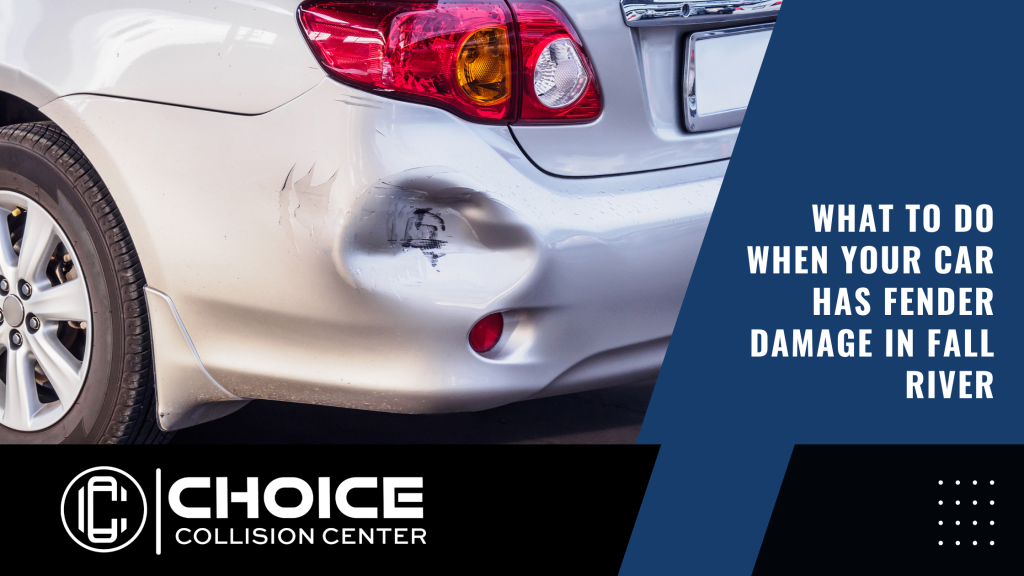
Few things are more frustrating than discovering damage to your vehicle’s fender. Whether it’s the result of a parking lot accident, a sideswipe collision, a backing incident, or a minor crash on a busy Fall River roadway, fender damage is one of the most common reasons drivers visit a collision repair center.
At first glance, a dented or scratched fender may seem like a purely cosmetic issue. However, what many drivers don’t realize is that fender damage can sometimes indicate more serious problems beneath the surface.
Modern vehicles are built with tightly integrated body panels, suspension systems, sensors, and safety technology. Even a relatively minor impact can affect components hidden behind the damaged area.
Knowing what steps to take after fender damage can help protect your vehicle, your safety, and your investment.
Step 1: Inspect the Visible Damage
The first thing most drivers notice is the visible damage.
Common signs include:
- Dents
- Scratches
- Paint damage
- Bent panels
- Misaligned body gaps
Take photos of the damage from multiple angles if possible. This documentation can be useful for insurance claims and repair estimates.
However, remember that visible damage often tells only part of the story.
What appears to be a simple dent may conceal issues involving:
- Suspension components
- Wheel alignment
- Mounting brackets
- Sensors
- Structural supports
A professional inspection is the best way to determine the full extent of the damage.
Step 2: Check for Changes in Vehicle Performance
After a collision, pay close attention to how your vehicle drives.
You may notice:
Pulling While Driving
If the vehicle drifts left or right, alignment or suspension damage may be present.
Steering Changes
A steering wheel that feels off-center or less responsive could indicate hidden damage.
Tire Wear
Uneven tire wear often develops when alignment issues go unaddressed.
Unusual Noises
Rattling, grinding, or clunking sounds may signal damaged components behind the fender.
Even low-speed accidents can affect steering and suspension systems in ways that are not immediately obvious.
Step 3: Look for Hidden Damage
One of the biggest mistakes drivers make after fender damage is assuming that if the vehicle still drives, everything is fine.
Modern fenders are located near many important components, including:
- Wheel wells
- Suspension systems
- Wiring harnesses
- Cameras and sensors
- Structural supports
Depending on the location and severity of the impact, hidden damage may exist even when exterior damage appears minor.
According to the National Highway Traffic Safety Administration, vehicle structures and safety systems are designed to work together during a collision. Damage to one area may affect other components throughout the vehicle.
This is why professional inspections remain an important part of the repair process.
Common Causes of Fender Damage in Fall River
Fender damage can occur in many different situations.
Some of the most common include:
Parking Lot Accidents
Tight parking spaces and heavy traffic create opportunities for low-speed collisions.
Sideswipe Accidents
Lane changes and merging traffic often result in side-impact damage.
Backing Collisions
Backing into stationary objects or other vehicles frequently damages front or rear fenders.
Weather-Related Incidents
Rain, snow, and slippery road conditions can increase accident risks throughout Massachusetts.
Construction Zones
Narrow lanes and changing traffic patterns can contribute to minor collisions and sideswipe accidents.
Repair vs Replacement: What Determines the Best Option?
Not every damaged fender requires replacement.
In many cases, repairs may be possible when:
- Damage is minor
- Structural integrity remains intact
- Paint damage is limited
- Metal reshaping can restore the panel
However, replacement may be recommended when:
- Damage is extensive
- Mounting areas are compromised
- Structural distortion exists
- Manufacturer procedures require replacement
Professional technicians evaluate each situation individually to determine the safest and most effective repair strategy.
Why Paint Matching Matters
Many fender repairs require refinishing work after repairs are completed.
Modern automotive paint systems often include:
- Metallic finishes
- Pearl coatings
- Multi-stage paint systems
Proper paint and refinishing services help ensure repaired panels blend seamlessly with the rest of the vehicle.
Color matching technology and professional refinishing procedures play a major role in delivering high-quality repair results.
Suspension and Alignment Inspections Are Often Necessary
The location of a fender means impacts frequently occur near steering and suspension components.
As a result, collision-related fender damage may affect:
- Control arms
- Tie rods
- Steering components
- Suspension geometry
Even small alignment issues can contribute to:
- Uneven tire wear
- Poor handling
- Reduced fuel efficiency
Professional wheel alignments help verify that the vehicle continues to meet manufacturer specifications after repairs are completed.
Why Modern Vehicles Require Additional Diagnostics
Today’s vehicles contain more technology than ever before.
Many include:
- Blind spot monitoring
- Lane departure warnings
- Parking sensors
- Collision avoidance systems
These systems often rely on sensors located near the fender area.
After repairs, professional scans and calibrations may be necessary to ensure safety systems continue functioning properly.
Industry repair standards increasingly require post-repair diagnostic procedures whenever sensors or related components are involved.
Common Mistakes Drivers Make After Fender Damage
Delaying Repairs
Minor damage can worsen over time, especially if paint damage exposes metal to moisture.
Ignoring Alignment Symptoms
Handling changes often indicate hidden damage that should be addressed promptly.
Focusing Only on Cosmetic Damage
Visible dents may distract from structural or suspension-related issues.
Choosing a Repair Shop Based Only on Price
The lowest estimate may not include all necessary repair procedures or diagnostic work.
Skipping Professional Inspections
A professional inspection can uncover hidden damage before it develops into a larger problem.
Why OEM Repair Procedures Matter
Vehicle manufacturers provide detailed repair procedures designed to restore safety and performance.
OEM procedures help determine:
- Repairability
- Replacement requirements
- Diagnostic procedures
- Calibration requirements
- Structural repair standards
Choosing OEM-certified repairs helps ensure repairs follow manufacturer guidelines whenever applicable.
According to collision repair industry resources, OEM procedures play an increasingly important role as vehicle technology continues to evolve.
How Insurance Typically Handles Fender Damage
Insurance coverage depends on:
- Fault determination
- Policy coverage
- Deductibles
- Accident circumstances
Many collision claims involving fender damage are covered under collision coverage, though specifics vary by policy.
Providing accurate documentation and obtaining a professional repair estimate can help streamline the claims process.
After an accident, one of the first steps is notifying your insurance provider and documenting the damage. Taking clear photos of the affected area, gathering information from other involved parties, and obtaining a police report when necessary can help support your claim. Insurance companies typically review the details of the accident to determine coverage eligibility and responsibility before approving repairs.
It’s also important to understand that the initial damage visible on the fender may not represent the full scope of repairs required. Once a collision repair center begins disassembly, technicians may discover hidden damage involving suspension components, mounting brackets, wheel alignment issues, sensors, or structural supports. When this happens, repair facilities often submit supplemental estimates to the insurance company for approval. This is a normal part of the repair process and helps ensure all collision-related damage is properly addressed.
Many insurance providers work directly with collision repair facilities to simplify communication and expedite approvals. However, vehicle owners generally have the right to choose where their vehicle is repaired. Selecting a qualified collision repair center helps ensure repairs are completed according to industry standards and manufacturer recommendations.
Understanding your deductible, coverage limits, and repair options before work begins can help avoid surprises and make the claims process significantly less stressful.
Frequently Asked Questions
Q: Can a dented fender be repaired?
A: Many fenders can be repaired if the damage is not severe and manufacturer guidelines permit repair.
Q: How much does fender repair cost?
A: Costs vary depending on the severity of the damage, vehicle type, paint requirements, and whether hidden damage exists.
Q: Can fender damage affect wheel alignment?
A: Yes. Impacts near the wheel area can affect suspension and steering components, potentially causing alignment issues.
Q: Is fender damage purely cosmetic?
A: Not always. Hidden structural, suspension, and sensor damage may exist beneath visible damage.
Q: Should I repair a small dent immediately?
A: Prompt repairs help prevent corrosion and identify hidden issues before they worsen.
Q: Does insurance cover fender repairs?
A: Coverage depends on your policy and the circumstances of the accident.
Q: Can paintless dent repair fix fender damage?
A: In some cases, yes. Eligibility depends on the location, size, and severity of the dent.
Q: Why are scans and calibrations sometimes required?
A: Modern safety systems often require verification and calibration after collision repairs to ensure proper operation.
Schedule a Fender Damage Inspection in Fall River Today
Fender damage may seem minor, but hidden issues involving alignment, suspension components, sensors, and structural supports are more common than many drivers realize.
Professional inspections help identify the full extent of the damage and ensure repairs are completed properly the first time.
If your vehicle has suffered fender damage, Choice Collision Centers offers comprehensive auto body repair services designed to restore safety, appearance, and performance.
You can also contact Choice Collision Centers to schedule an inspection or discuss your repair options with an experienced member of the team.
Visit Choice Collision Centers in Fall River at 645 Brayton Ave, Fall River, MA 02721, United States, where trained collision repair professionals can assess the damage, identify hidden issues, and help return your vehicle to pre-accident condition.
