
SUMMARY
- Door damage ranges from minor dents to structural damage affecting safety and functionality.
- Repair methods depend on the location, severity, and material of the damaged door.
- Modern vehicle doors often contain airbags, sensors, wiring, and reinforcement beams that require careful inspection.
- Professional repairs restore proper door alignment, operation, and appearance while following manufacturer recommendations.
- A thorough inspection helps determine whether a damaged door should be repaired or replaced.
Introduction
Vehicle doors do much more than provide access to the passenger compartment. They contribute to your vehicle’s structural integrity, support side-impact protection, house electronic components, and help keep occupants protected from weather and road noise. After a collision, even damage that appears minor can affect how a door opens, closes, seals, or performs during a future accident.
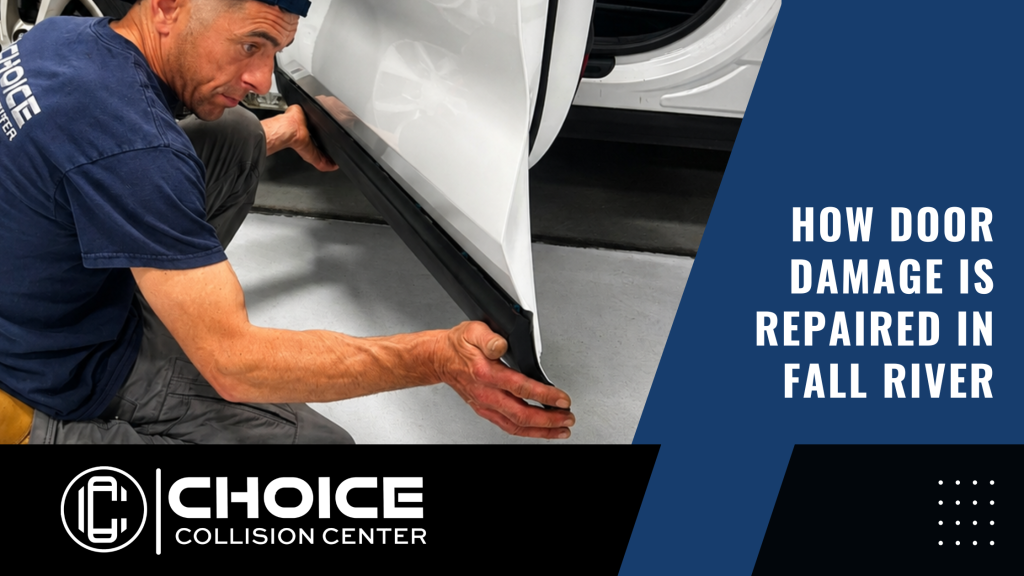
Whether the damage resulted from a parking lot incident, a side-impact collision, or contact with another object, repairing a vehicle door requires more than simply removing dents. Modern repair techniques focus on restoring the door’s structure, alignment, safety features, and finish while following manufacturer repair procedures.
For drivers in Fall River, MA, understanding how professional door repairs are performed can help set realistic expectations throughout the collision repair process and explain why a detailed inspection is always the first step.
Every Door Repair Begins With a Thorough Inspection
Before technicians determine how to repair a damaged door, they perform a detailed inspection to evaluate both visible and hidden damage.
During the inspection, technicians examine:
- Exterior dents and creases
- Door alignment
- Hinges and latch operation
- Window operation
- Paint damage
- Adjacent body panels
The inspection also helps determine whether the impact affected nearby structural components or requires additional disassembly.
Professional car accident repair begins with a complete evaluation to identify all collision-related damage before repairs begin.
Learn more about vehicle safety from the National Highway Traffic Safety Administration.
Modern Vehicle Doors Are More Complex Than They Appear
Today’s vehicle doors contain much more than sheet metal and glass. Many incorporate advanced technology and safety features that must be considered during repairs.
Modern doors may include:
- Side-impact airbags
- Power window mechanisms
- Blind spot monitoring components
- Wiring harnesses
- Side-impact reinforcement beams
- Electronic door modules
Damage to any of these components can affect the overall repair process, making careful inspection essential before work begins.
The National Safety Council provides information about vehicle safety technologies and occupant protection.
Vehicle doors have evolved into highly integrated assemblies that support both occupant safety and everyday convenience. In addition to protecting passengers during side-impact collisions, many doors house electronic systems that communicate with the vehicle’s central control modules.
Because these components are packaged within a relatively small space, even a moderate collision can affect multiple systems at once. Damage that appears to be limited to the outer door skin may extend to internal brackets, electrical connectors, or reinforcement structures that are not visible until the door is partially disassembled.
Repairing a modern vehicle door often requires technicians to inspect both mechanical and electronic components before determining the proper repair method. They evaluate the condition of hinges, latches, window regulators, wiring, and internal supports while also checking for signs of damage that could interfere with safety features or normal door operation. If electronic components have been affected, additional testing may be needed to confirm they continue functioning according to manufacturer specifications after repairs are complete.
The materials used in today’s doors also influence the repair process. Depending on the vehicle, technicians may encounter high-strength steel, aluminum, or mixed-material construction that requires specialized repair techniques and equipment.
Following manufacturer repair procedures helps ensure these materials are repaired or replaced correctly while preserving the structural strength of the door assembly. By carefully evaluating every component within the damaged door, technicians can develop a repair plan that restores proper fit, smooth operation, and the safety features drivers rely on every day, rather than focusing only on repairing the visible exterior damage.
Repair or Replacement Depends on the Damage
Not every damaged door needs to be replaced. After evaluating the damage, technicians determine whether repairing the existing door or installing a replacement will provide the safest and most effective outcome.
Factors that influence this decision include:
- Size and depth of the damage
- Structural condition of the door
- Location of the impact
- Damage to reinforcement components
- Manufacturer repair recommendations
- Overall repair feasibility
When repairs fall within manufacturer guidelines, restoring the original door may be appropriate. However, if structural damage exceeds repair limits, replacement may be recommended to maintain vehicle safety.
Professional auto body shop services help determine the most appropriate repair solution for each individual vehicle.
Restoring Proper Door Alignment
A repaired door should do more than look good. It should operate smoothly and align correctly with surrounding body panels.
During reassembly, technicians verify:
- Even body gaps
- Proper latch engagement
- Smooth opening and closing
- Window alignment
- Weather seal contact
- Flush panel fitment
Correct alignment helps reduce wind noise, prevents water leaks, and supports the proper operation of safety components built into the door assembly.
The Society of Collision Repair Specialists (SCRS) provides educational resources on professional collision repair standards.
Refinishing Restores Appearance and Protection
Once repairs are complete, the refinishing process restores the door’s appearance while protecting it from corrosion and environmental exposure.
The refinishing process may include:
- Surface preparation
- Primer application
- Color matching
- Base coat application
- Clear coat application
- Final polishing and inspection
Professional paint and refinishing services are designed to produce a durable finish that blends naturally with the surrounding panels.
The Automotive Service Association (ASA) provides consumer information about professional automotive repair practices.
A quality refinish begins long before any paint is applied. Technicians carefully prepare the repaired surface by removing contaminants, smoothing imperfections, and creating the proper surface profile for the primer to bond effectively.
Thorough preparation is one of the most important steps in the refinishing process because it helps improve paint adhesion and contributes to the long-term durability of the repaired finish. Skipping or rushing this stage can affect both the appearance and lifespan of the repair.
Matching the existing finish also requires more than selecting the correct factory paint code. Over time, exposure to sunlight, weather, and normal driving conditions can slightly change a vehicle’s original paint color.
To achieve a seamless repair, technicians use computerized color-matching technology and perform spray-out tests when necessary to fine-tune the color before applying it to the vehicle. This process helps the repaired door blend naturally with adjacent panels and minimizes noticeable color differences.
After the paint has been applied and properly cured, technicians perform a detailed inspection to evaluate gloss, texture, color consistency, and overall finish quality. If needed, the surface is polished to achieve a smooth, uniform appearance that complements the rest of the vehicle.
Beyond improving appearance, the completed refinishing process also restores a protective barrier that helps shield the repaired panel from moisture, road salt, ultraviolet exposure, and other environmental elements. This combination of careful preparation, precise color matching, and thorough quality inspection helps ensure the repaired door looks professional while providing lasting protection for years to come.
Final Testing Before Vehicle Delivery
Before the vehicle is returned, technicians perform a series of checks to confirm the repaired door functions correctly.
These checks often include:
- Door opening and closing operation
- Window function
- Lock operation
- Electronic feature verification
- Panel alignment inspection
- Overall quality review
If the repair involves electronic components or safety systems, additional testing may be completed to verify they are operating according to manufacturer recommendations.
Professional detailing and final inspection helps ensure the repaired vehicle is carefully reviewed before delivery.
The final inspection is an important quality control step because it confirms that the repaired door performs as expected under normal operating conditions. Technicians verify that the door opens and closes smoothly without excessive resistance, aligns properly with adjacent panels, and latches securely every time it is operated. They also inspect weather seals to ensure they fit correctly, helping protect the vehicle from wind noise and water intrusion after the repair has been completed.
If the collision affected electrical components inside the door, technicians check that all integrated features function properly before returning the vehicle to the customer. This may include verifying the operation of power windows, power locks, interior lighting, mirrors, keyless entry functions, and other electronic systems associated with the door assembly.
For vehicles equipped with advanced driver assistance technologies that rely on sensors located near the repaired area, additional verification procedures may also be completed to confirm those systems operate according to manufacturer specifications.
The inspection process also includes a careful review of the repaired finish and overall appearance of the vehicle. Technicians examine paint quality, panel gaps, trim installation, and the fit of surrounding components to ensure the completed repair meets established quality standards.
Any final adjustments are made before the vehicle is cleaned and prepared for delivery. Completing these detailed inspections helps provide confidence that the repaired door not only looks like it did before the accident but also operates properly, protects occupants, and integrates seamlessly with the rest of the vehicle. This thorough quality control process reflects the importance of returning every repaired vehicle in safe, reliable, and professional condition.
Why Experience Matters for Door Repairs
Repairing modern vehicle doors requires specialized knowledge, proper equipment, and attention to detail. Every repair should follow manufacturer recommendations while considering both cosmetic appearance and long-term safety.
When selecting a repair facility, consider whether it offers:
- OEM-certified repair procedures
- Experienced collision repair technicians
- Advanced repair equipment
- Professional refinishing capabilities
- Thorough quality inspections
- Clear communication throughout the repair
Drivers can also learn more about Choice Collision Centers and the company’s commitment to delivering high-quality repairs and exceptional customer care.
The Better Business Bureau (BBB) encourages consumers to research businesses and ask questions before selecting an automotive repair provider.
Frequently Asked Questions
Can a dented vehicle door always be repaired?
Not always. The repair method depends on the severity of the damage, the location of the impact, and manufacturer repair recommendations.
What if my door still opens after the accident?
A door may continue to function even if hidden structural or internal damage exists. A professional inspection is the best way to determine the full extent of the damage.
Can side-impact damage affect electronics inside the door?
Yes. Modern doors often contain wiring, sensors, airbags, and electronic control modules that should be inspected after a collision.
Why is proper door alignment important?
Correct alignment helps ensure the door seals properly, operates smoothly, and maintains proper fit with surrounding panels.
Will the repaired paint match the rest of my vehicle?
Professional refinishing uses advanced color-matching techniques to produce a finish that blends with the surrounding panels.
Why is a final inspection necessary?
Final inspections verify the repaired door operates correctly, fits properly, and meets quality standards before the vehicle is returned.
Why choose Choice Collision Centers?
Choice Collision Centers combines OEM-certified repair procedures, experienced technicians, advanced refinishing capabilities, and comprehensive quality inspections to restore damaged vehicles with safety and quality in mind.
Need Car Door Repair in Fall River, MA? Choose Trusted Local Experts
Door damage often involves much more than a visible dent or scratch. Modern vehicle doors contain structural reinforcements, electronic systems, and safety features that require careful evaluation and professional repair. From the initial inspection through final testing, every step of the repair process helps restore proper operation, appearance, and long-term reliability.
If your vehicle has sustained door damage, visit Choice Collision Centers at 645 Brayton Ave, Fall River, MA 02721, United States. Our experienced team provides comprehensive inspections, precision repairs, and high-quality refinishing to help restore your vehicle safely and professionally.
